How Do I Incorporate Native Aquatic Flowers Into My Garden Design For A Pond Or Water Feature?
Let's talk about the importance of incorporating native pond plants in your wildlife ponds for a diverse ecosystem.

When designing your garden pond, adding native plants can not only enhance its natural beauty but also have a positive impact on the entire ecosystem by providing food and habitat for important wildlife species.
The Benefits of Native Plants
By incorporating native plants in your pond, you can:
- Increase biodiversity: Native plants are essential for attracting and supporting a wide range of wildlife species such as insects, amphibians, birds, and mammals. They provide food, shelter, and breeding habitat for these important creatures, which in turn helps maintain a balanced ecosystem.
- Reduce nutrient run-off: Native pond plants absorb excess nutrients and pollutants from the water, helping to keep the water clear and reducing the need for synthetic fertilizers and pesticides.
- Maintain a healthy water balance: The roots of native plants takes up water from the pond, helping to maintain a healthy water balance and prevent stagnant water in your pond.
- Enhance the natural beauty of your pond: Native plants can add charm and texture to your pond and create a harmonious blend with the surrounding landscape.
Popular Native Pond Plants
Here are some popular native pond plants to consider adding to your wildlife pond:
- Waterlilies: These beautiful plants are not only aesthetically appealing but also provide shade for fish and other aquatic animals.
- Marsh Marigold: Also known as kingcup, this cheerful yellow flower blooms in early spring and attract bees and other pollinators.
- Water mint: A fragrant plant that attracts bees and provides a good breeding ground for dragonflies.
- Reed: This tall plant is a great habitat for birds, such as reed warblers, and helps maintain the water's oxygen levels.
- Bogbean: This plant likes shallow, acidic water and produces beautiful white flowers in the summer.
- Arrowhead: This plant produces beautiful white flowers in late summer and early fall and provides important cover for fish and other aquatic animals.
Planting Native Pond Plants
When planting native pond plants, here are some tips to keep in mind:
- Choose plants that are native to your region and that are suitable for the size and depth of your pond.
- Plant in the spring or autumn when the pond water is at the lowest level.
- Plant in baskets or containers filled with aquatic soil. This helps hold the plant in place and prevent the soil from spreading to other parts of the pond.
- Place the plants into the pond soil at the recommended depth and make sure the pot is fully submerged.
- Once planted, gently firm the soil around the plant and cover with a layer of stones or gravel to prevent the soil from floating away.
By incorporating native pond plants in your garden pond, you can create a welcoming habitat for a variety of beautiful and important wildlife species and help maintain a balanced ecosystem.
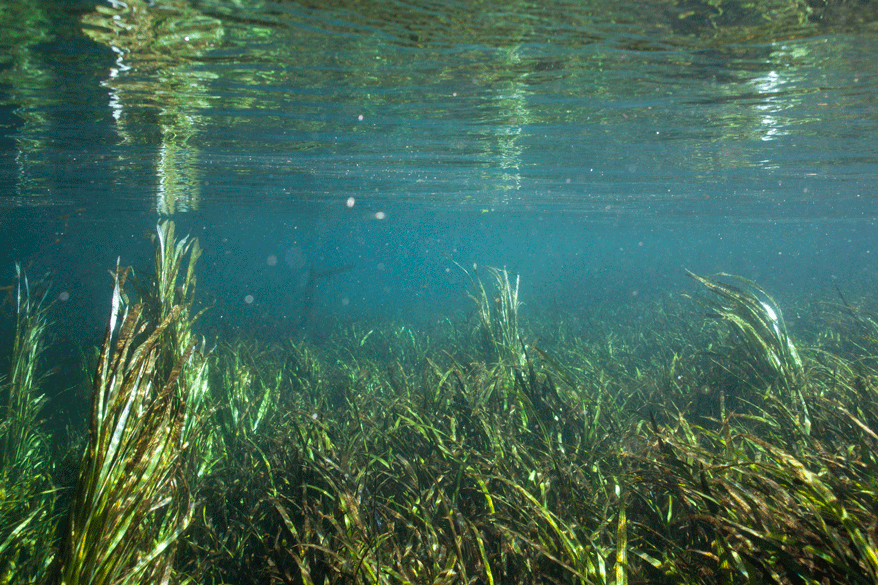
aquatic pondweed eelgrass ifas polkco ufl
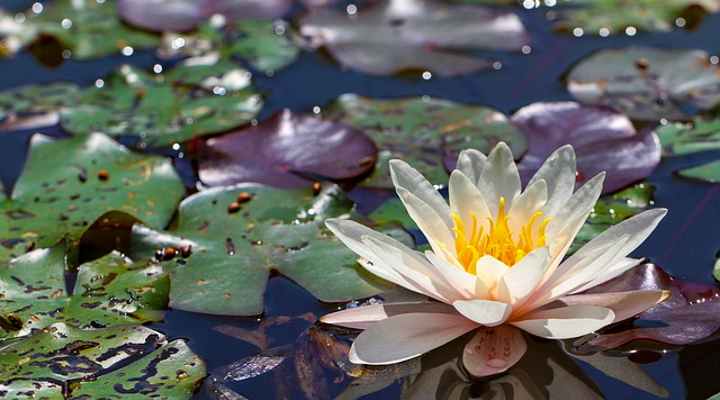

plants pond native water ponds wildlife petsmart sell british does java wisteria fern gardeners